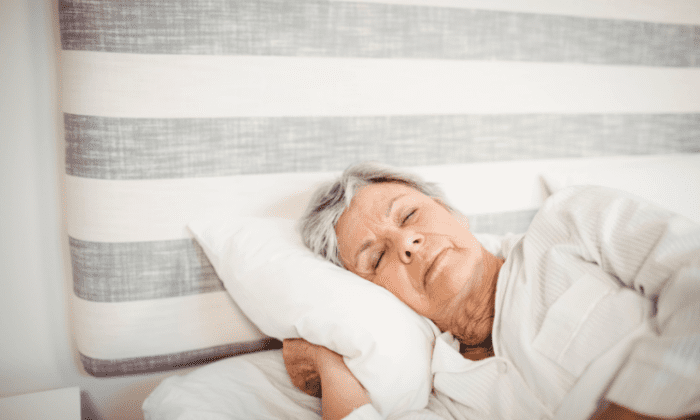
If you’re in your 60s, 70s, or beyond, you’ve probably noticed that sleep doesn’t come as easily as it used to. Maybe you wake up more often. Maybe you’re tired by mid-afternoon. Or maybe your jaw aches in the morning. Many people chalk this up to getting older. And while it’s true that sleep changes with age, that doesn’t mean you have to accept exhaustion and discomfort as a normal part of life. Two common culprits behind poor sleep in seniors are sleep apnea and TMJ disorder. Both are treatable. And treating them can make a real difference in how you feel every day. Here’s the senior’s guide to better sleep.
Why Sleep Changes as We Age
As we get older, several things happen that affect our sleep:
- Muscle tone decreases: The muscles in your airway can become lax, making obstructive sleep apnea more likely.
- Jaw joints wear down: Years of use can lead to TMJ issues, especially if you’ve been clenching or grinding.
- Medications pile up: Many prescriptions can interfere with sleep or cause dry mouth, which worsens both conditions.
- Sleep architecture shifts: We spend less time in deep sleep, so we wake more easily.
None of this means you’re destined for bad sleep. It just means you need to pay attention to what’s going on.
Sleep Apnea in Older Adults: Easy to Miss
Sleep apnea is common in seniors, but it often goes unnoticed. Why? Because the symptoms can look different or get blamed on something else:
- You might not snore loudly.
- You might just feel exhausted, foggy, or forgetful.
- You might get up multiple times a night to use the bathroom.
- You might wake up with morning headaches.
These symptoms can be mistaken for normal aging, medication side effects, or even early dementia. But if sleep apnea is the real cause, treating it could improve all of those issues.
The stakes are even higher for seniors. Untreated sleep apnea increases the risk of heart problems, stroke, and falls. It can also worsen memory and concentration.
TMJ Disorder in Older Adults: More Than Jaw Pain
TMJ disorder doesn’t just affect your jaw. In seniors, it can show up as:
- Chronic headaches
- Ear pain or ringing
- Neck and shoulder stiffness
- Difficulty chewing
- Worn or chipped teeth
Arthritis can also affect the jaw joint, making TMJ symptoms more likely. And if you’ve lost teeth or wear dentures, your bite may have changed, putting extra strain on the joint.
Why Oral Appliances Are a Good Fit for Seniors
CPAP is effective, but many older adults struggle with it. The mask can feel confining. The machine can be noisy. Traveling with it is a hassle. And for someone with arthritis, adjusting the straps can be painful.
Oral appliances offer a gentler alternative. They’re small, quiet, and easy to use. You just put one in before bed and take it out in the morning. No hoses, no electricity, and no noise.
For seniors with TMJ issues, Dr. Harper’s background in treating jaw disorders is a major advantage. He knows how to design an appliance that treats your sleep apnea without making your jaw pain worse.
Tips for Better Sleep at Any Age
Here are a few practical habits that help:
- Stick to a schedule: Go to bed and wake up at the same time daily.
- Limit fluids before bed: This reduces nighttime bathroom trips.
- Keep your bedroom cool and dark: It signals to your body that it’s time to rest.
- Avoid alcohol in the evening: It relaxes airway muscles and worsens apnea.
- Sleep on your side: It helps keep your airway open.
You Deserve Good Sleep
Getting older doesn’t mean you have to accept exhaustion. If you’re tired all the time, if your jaw aches, if you’re not sleeping well, there’s a reason. And there’s help.
At Coastal Sleep & TMJ, we work with seniors throughout Hampton Roads to find comfortable, effective solutions. A free screening is a simple first step. Contact our office today to request a sleep consultation and learn more about your path to a restful morning.